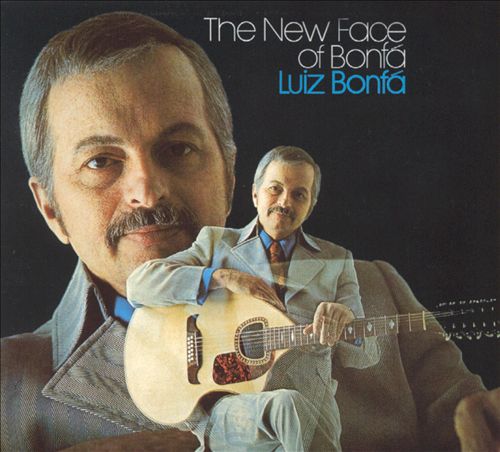

Hey there! Have you ever wondered what it takes to become a legendary musician whose influence spans decades and crosses continents? Let’s jump into the captivating world of Luiz Bonfá, the Brazilian maestro who strummed his way into music history!
Early Days and Inspiration
Imagine growing up in the lively city of Rio de Janeiro, surrounded by the rhythms and colors that make Brazil so unique. That’s where it all began for Luiz Bonfá. Born on October 17, 1922, in Rio’s Santa Cruz neighborhood, young Luiz was steeped in a rich musical culture from the very start. His father was an Italian immigrant, which brought an intriguing mix of influences into his early life.
At the tender age of 11, something magic happened: Bonfá picked up his first guitar. It was love at first strum! Picture a young boy utterly enchanted by the instrument, spending hours practicing and exploring the strings. But he didn’t just stop there. Determined to master the guitar, Bonfá journeyed weekly to study with Isaías Sávio, a Uruguayan maestro. Can you imagine trudging through a two-and-a-half-hour train ride just for your passion? That’s dedication!
Igniting a Career in Brazil
Now, let’s fast-forward a bit to the late 1940s. Bonfá’s talent didn’t stay hidden for long. By 1947, he was already making waves on Rio’s Rádio Nacional, a platform that opened countless doors and soundwaves for him. Getting noticed on radio was like having a viral hit today you became a sensation overnight!
Soon enough, he was diving into collaborations with the vocal group Quitandinha Serenaders. Together, they explored bright new musical horizons, blending their talents in exciting ways. But Bonfá wasn’t just content with performing; he was also a genius composer. The 1950s saw him crafting tunes such as “Ranchinho de Palha” and “O Vento Não Sabe” songs that truly captured the heart and soul of Brazil. If you’ll listen to those, you might find yourself swaying to rhythms that feel both timeless and modern.
Imagine the impact when, in 1957, his piece “De Cigarro em Cigarro” became a major hit through the voice of Nora Ney. Bonfá was officially on the map! He soon found himself mingling with other musical greats like Antônio Carlos Jobim and Vinicius de Moraes names that alone are enough to cause a frisson of excitement among Bossa Nova fans.
Bossa Nova and Global Recognition
Speaking of Bossa Nova, ever wondered how it took the world by storm? Bonfá played a huge role in that global musical revolution. He skillfully blended his samba-canção roots with the smooth, laid-back style of Bossa Nova, which João Gilberto revolutionized. Bonfá’s unique approach to guitar involved a strong, brassy tone and polyphonic soloing playing lead and rhythm at the same time, much like jazz great Wes Montgomery. It’s like watching a chef who can whip up a main course and dessert simultaneously!
By 1962, Bonfá had an incredible opportunity: performing at the iconic Carnegie Hall in New York, a stage where legends are born. Talk about making waves! Mixing beats and strums with musical giants like Quincy Jones, George Benson, and the one-and-only Frank Sinatra, Bonfá showed the world the enchanting sounds of Brazilian music.
Iconic Compositions and Cinema
Let’s say you’ve seen a film so rich in music that you couldn’t get the tunes out of your head. Bonfá did precisely that with the *Black Orpheus* soundtrack. His compositions like “Manhã de Carnaval” (which you’ve probably hummed without even realizing it) and “Samba de Orfeu” are timeless hits that still resonate across the globe. These pieces brought Brazilian music to a whole new audience and painted vibrant scenes with sound alone.
It wasn’t just *Black Orpheus* that showcased Bonfá’s brilliance, though. He continued to score films like *The Gentle Rain* and composed delightful tunes such as “Samba Bolero.” And if you think he was done, think again. Bonfá’s recording career was prolific over 50 albums from 1945 to 1996 ensured that his music would be heard for generations to come!
Returning Home and Final Years
After years of sharing his mesmerizing sounds with the world, Bonfá found his way back to his beloved Brazil in 1971. Even while rooted in his homeland, his music refused to be confined. Instead, Bonfá embarked on global tours, reaching eager audiences across Europe, Australia, and the United States.
Until his final days, Bonfá was a musical ambassador, spreading the rich culture and vibrant rhythms of Brazil wherever he went. When you listen to his tunes today, you can feel his energy and passion resonating through each note and chord. His inventive Brazilian jazz guitar style and commitment to his craft ensure his legacy remains stronger than ever.
And so, as we salute this extraordinary maestro, we remember his impactful contribution to music. Luiz Bonfá’s influence reverberates in today’s musical landscape, inspiring artists and delighting listeners worldwide. Want to dive deeper into more exciting stories? Check out our latest articles on modern cultural heroes here.
Also Read: